In person PDC at Zaytuna Farm
Design your way into
Resilience & Abundance
In this permaculture design certificate course you will learn to work with nature rather than against it, make better use of what you have, build resilience, grow food, regenerate land and create systems that support healthier ways of living.

About the course
Discover the Power
of Working With Nature
Permaculture is a
Ethical Design Science
We will show you how to mimic the intelligence of natural systems, to
create productive, resilient environments that support both people and nature.
-
Envision
Challenge what you think you know. Explore permaculture's philosophy, its ethics and its place in landscape and society
-
Design
Challenge what you think you know. Explore permaculture's philosophy, its ethics and its place in landscape and society
-
Bring it to life
Challenge what you think you know. Explore permaculture's philosophy, its ethics and its place in landscape and society
What you will learn
Everything you need,
to design a better future
-

Design Food Security Systems
Grow more of your own food, build healthy soil and design productive systems that make the most of what you have.
-

Create Resilience
Learn to design systems that are diverse, adaptable and less dependent on outside resources.
-

Explore New Careers
Apply permaculture to land, business, community and future work to create new possibilities.
-

Build Health
Learn to design systems that are diverse, adaptable and less dependent on outside resources.
-
Thrive in any climate
Learn to work with the conditions around you and create resilient systems that adapt to a changing climate.
-

Find your people
Grow more of your own food, build healthy soil and design productive systems that make the most of what you have.
Start seeing patterns
and connections
everywhere...
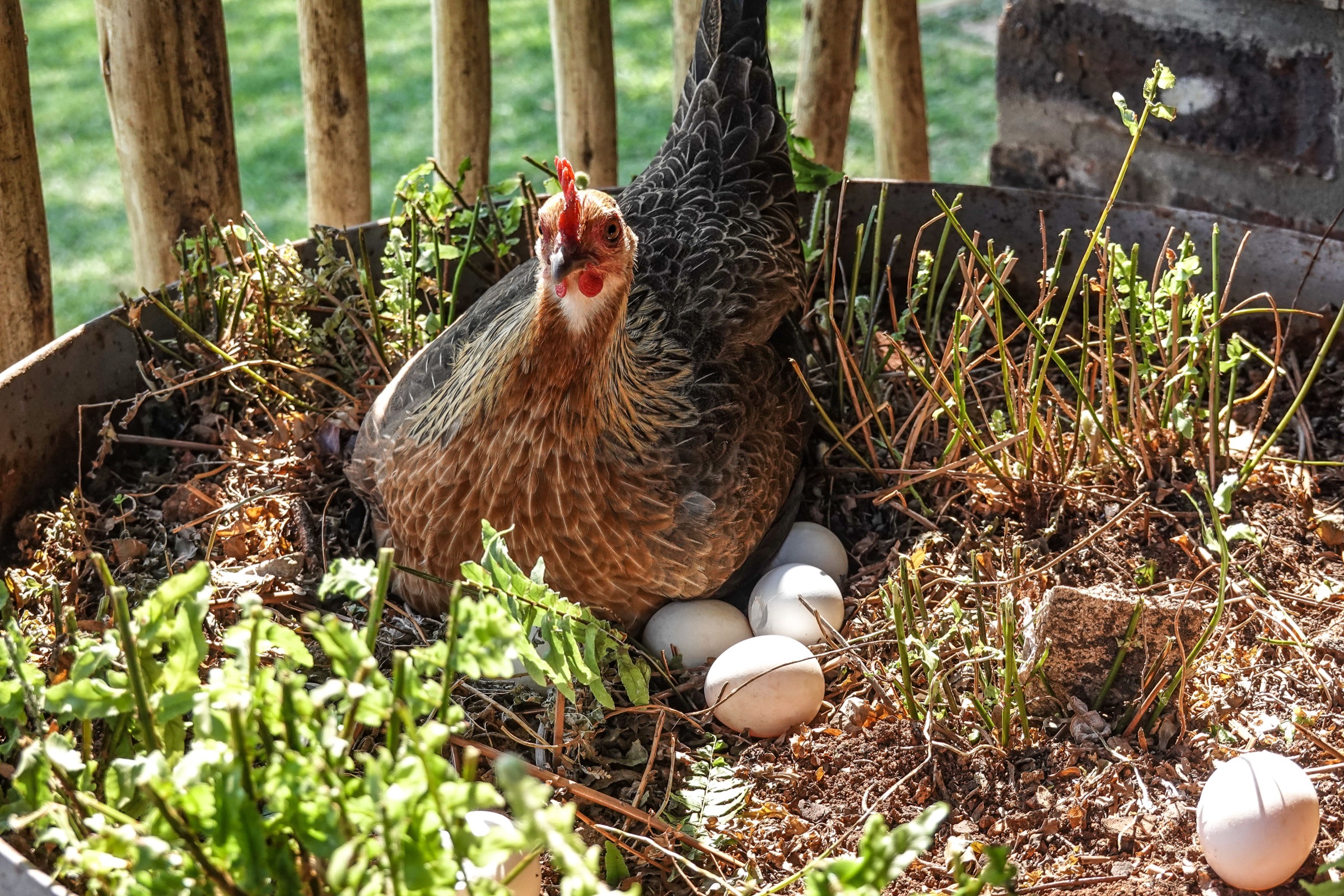
A PDC is more than learning about permaculture. It changes the way you see the world around you. Learn to read the landscape, notice connections, recognise opportunities and understand how nature creates abundance from what’s already there. Take that perspective home with practical skills you can apply to your food, land, work, health and the way you live.



The course outline
A 10 day Curriculum Packed
With Permaculture Learning
First week
 Download
 course schedule
-
Day 1
Introduction to Permaculture
Challenge what you think you know. Explore permaculture's philosophy, its ethics and its place in landscape and society, and see why designing differently matters now more than ever. You'll also see permaculture at work in case studies from around the world.

-
Day 2
Concepts and Themes in Design
+ Methods of DesignLearn the principles nature uses to create yield, from cycles to diversity and stability. Then turn them into a design process using observation, zones, sectors and maps. By the end of the day, you'll be ready to start your own design project.
-
Day 3
Pattern Understanding
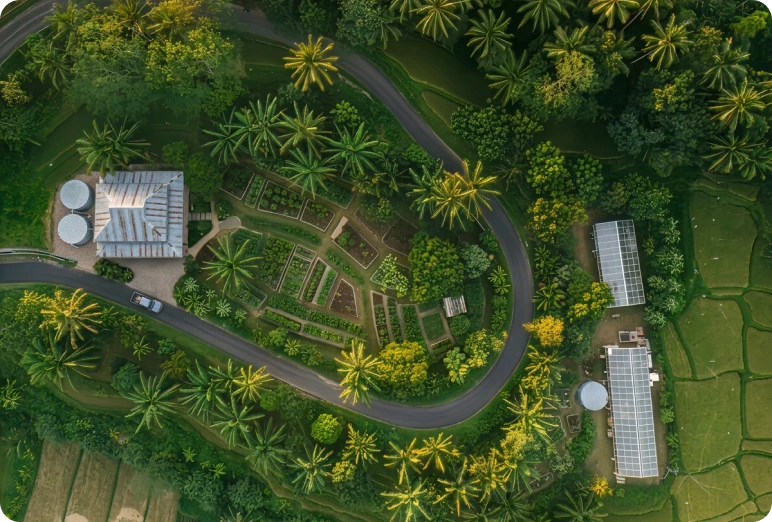
+ Climatic FactorsDiscover the patterns behind everything: spirals, branches, flows and edges. Then learn how global climate works, how to shape microclimates and how to design for natural disasters. Once you see these patterns, you'll start spotting them everywhere.

-
Day 4
Trees and Their Energy Transactions
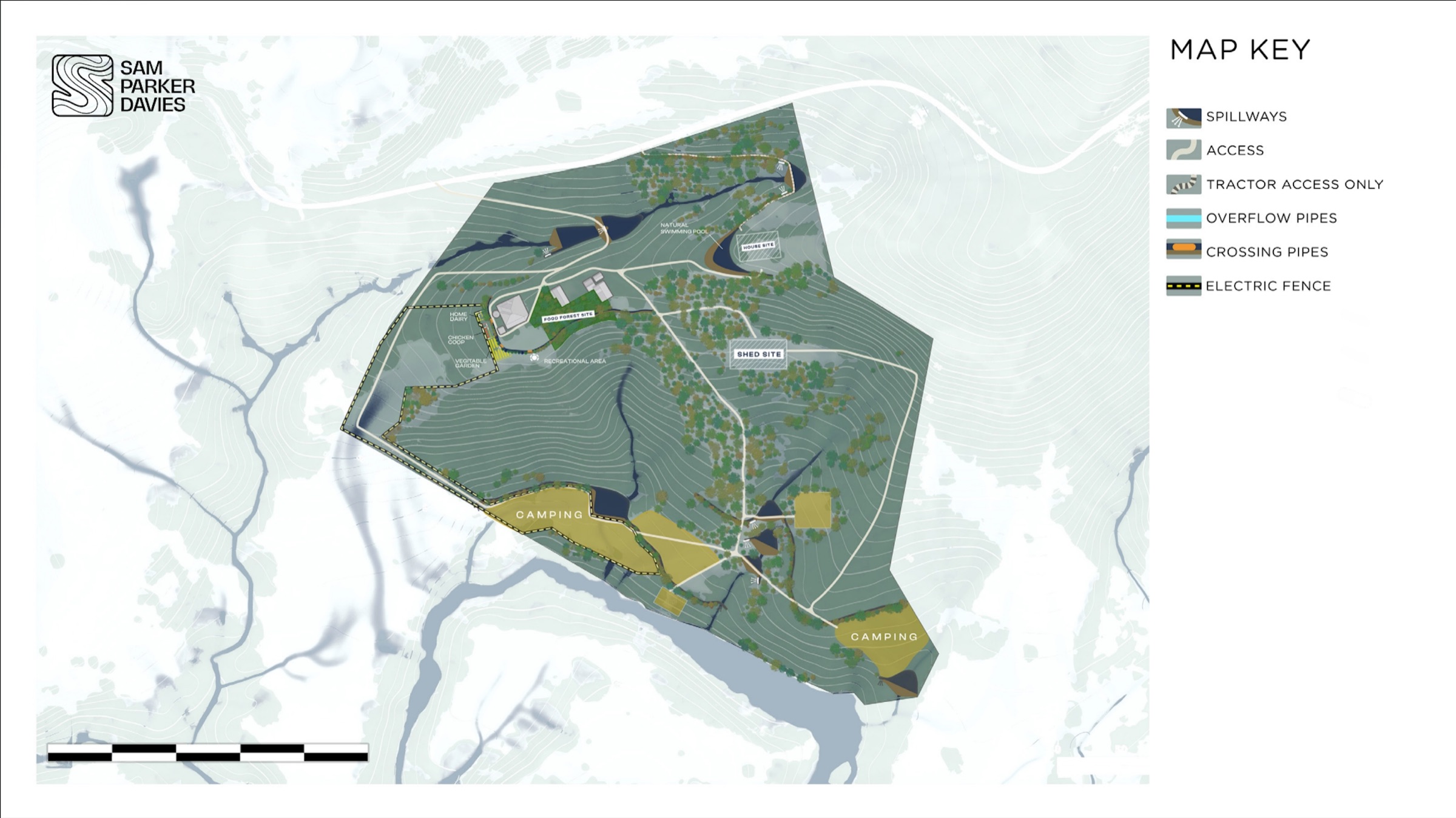
+ WaterSee how trees drive wind, temperature and rainfall, and how food forests are built. Then learn how water moves through landscapes, with a tour of Zaytuna Farm's 25-year-old water system. See firsthand how swales, dams and trees work together to hold water in the landscape.

-
Day 5
Water + Soil
Go deeper into swales, dams, spillways and landscape rehydration, with case studies from Somalia to Jordan. Then dig into the biggest environmental problem of all: soil loss. Learn why it has brought down civilisations, and how to reverse it.

Second week
-
Day 6
Soils + Earthworking and Earth Resources
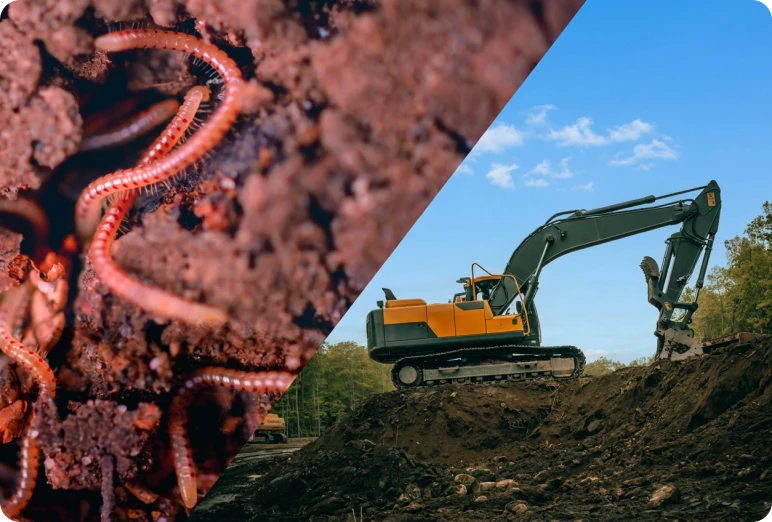
Build living soil through chemistry, biology and hands-on composting. Then learn to plan, survey and direct earthworks that capture water and work with the land. Plus how to choose the right machinery and plant out once the earth is moved.
-
Day 7
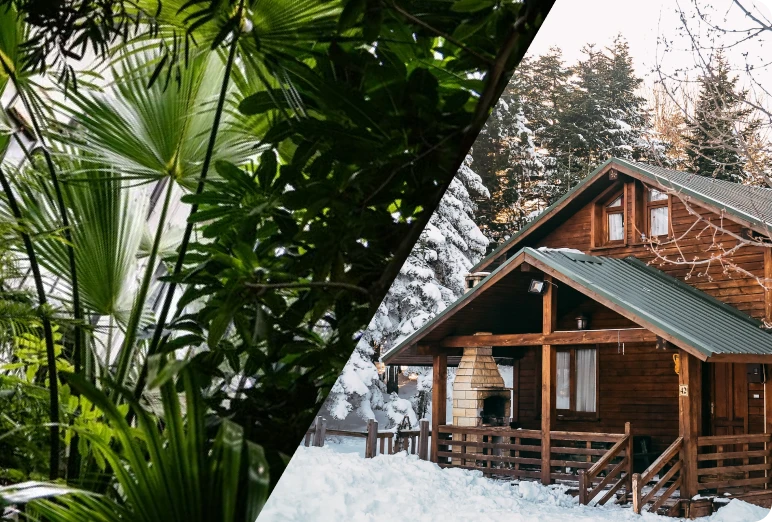
Humid Tropics + Cold Climates
Design houses, gardens, food forests and animal systems for the tropics, then for cool and cold climates. Two climates, two very different toolkits. Including how to plan homes and villages that stand up to storms, floods and fire.
-
Day 8
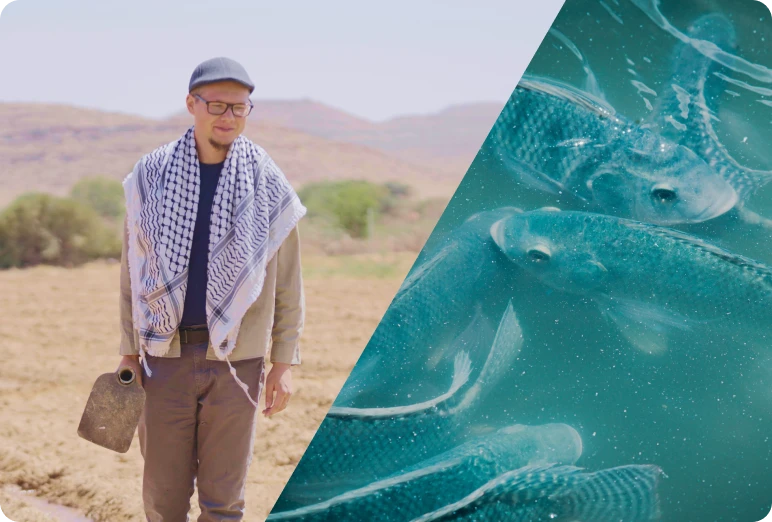
Drylands + Aquaculture
Bust the myths about deserts and learn the strategies that green them. Then explore ponds, reed beds and natural swimming pools, and how water systems feed whole landscapes. You'll also learn how to halt desertification and bring salted soils back to life.
-
Day 9
Alternative Global Nation + Design Exercise
Zoom out to the systems that shape society: land access, money and finance, village development, bioregions and ethical investment. Then bring it all together in your own design. This is where permaculture moves beyond the garden and into how we live and work together.

-
Day 10
Presentations + Integration + What's Next
Present your design, learn from your classmates' work and map out where you'll take it next. We close with an evening of story sharing and a talent show. You'll leave with a finished design, your certificate and a community to keep growing with.
See the patterns. Understand the connections. Design the possibilities.
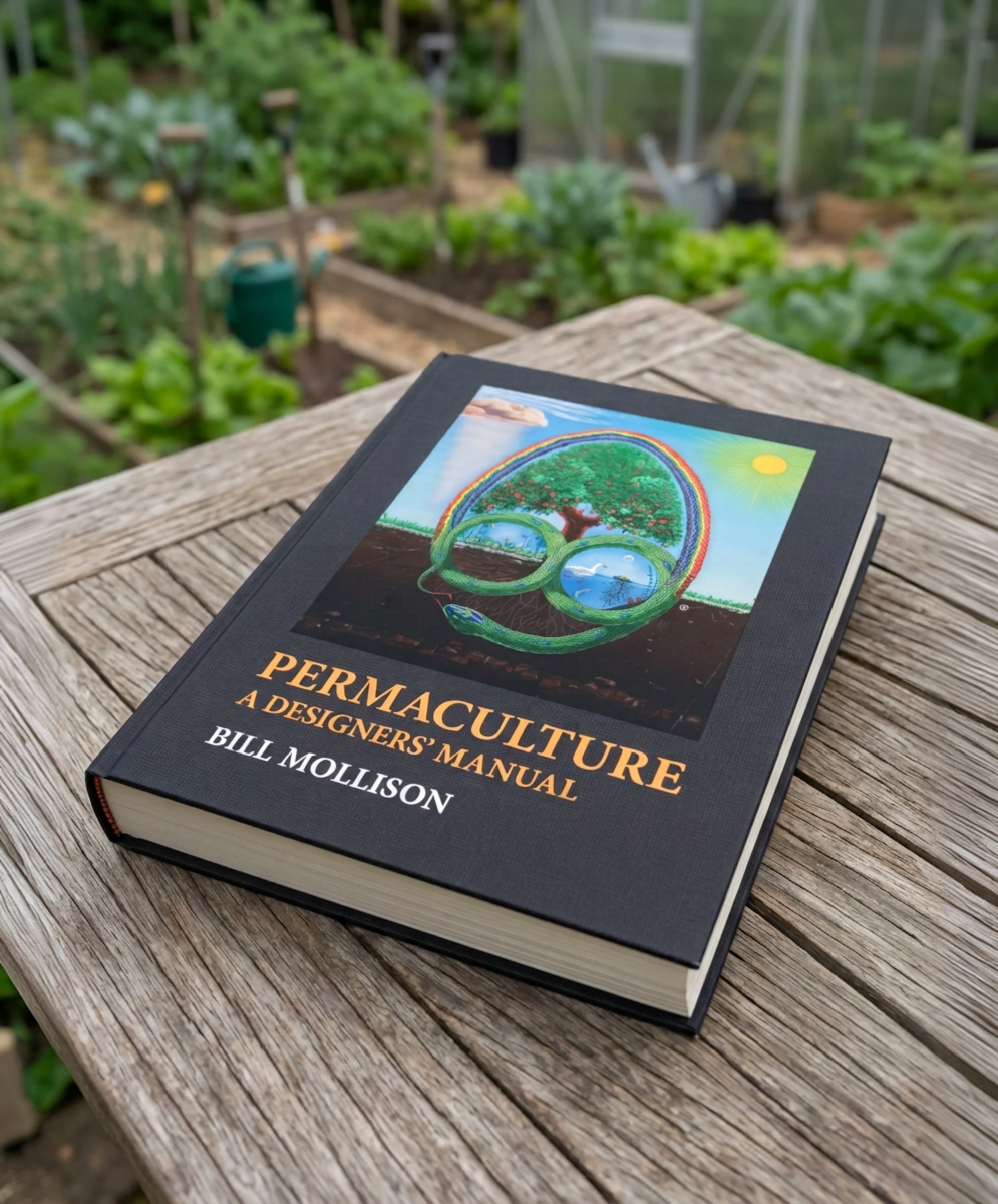
Based on Bill Mollison's
Permaculture
Designers Manual
This course curriculum is taught in accordance to how
Bill Mollison the founder of permaculture had intended
What Students
are Saying
-
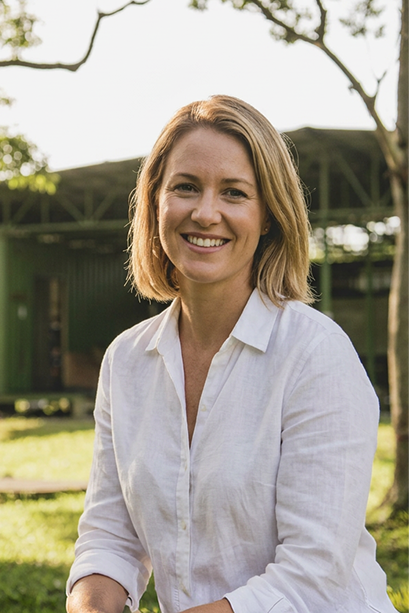
“I came for the theory and left with a full design for my own land. Sam makes it simple.”
- SARAH MITCHELL
-
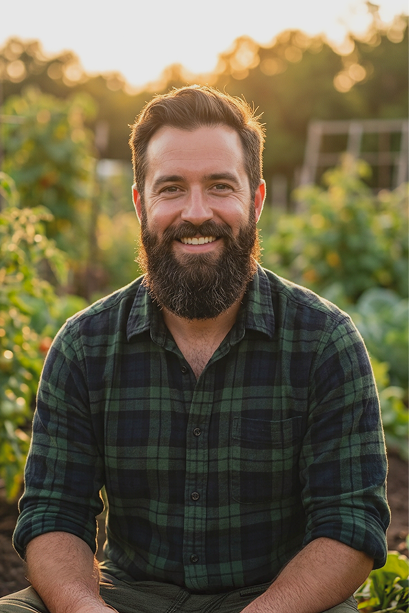
“Two weeks that changed how I see water, soil and food. The hands-on days were the best.”
- DANIEL REYES
-
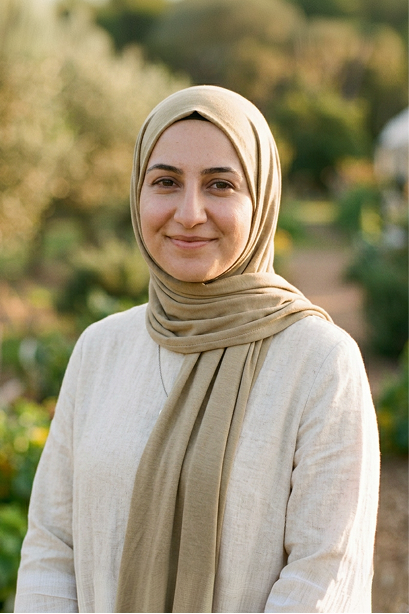
“I'd read about permaculture for years. The design process finally made it all click.”
- AMINA HASSAN
-
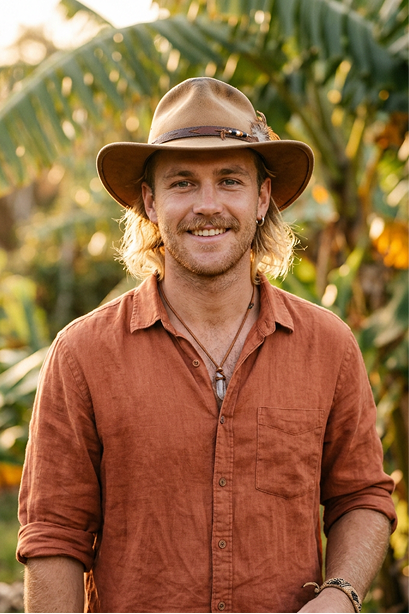
“Generous, practical and full of laughs. I've already planted my first food forest.”
- JACK THORNTON
The location
Zaytuna Farm
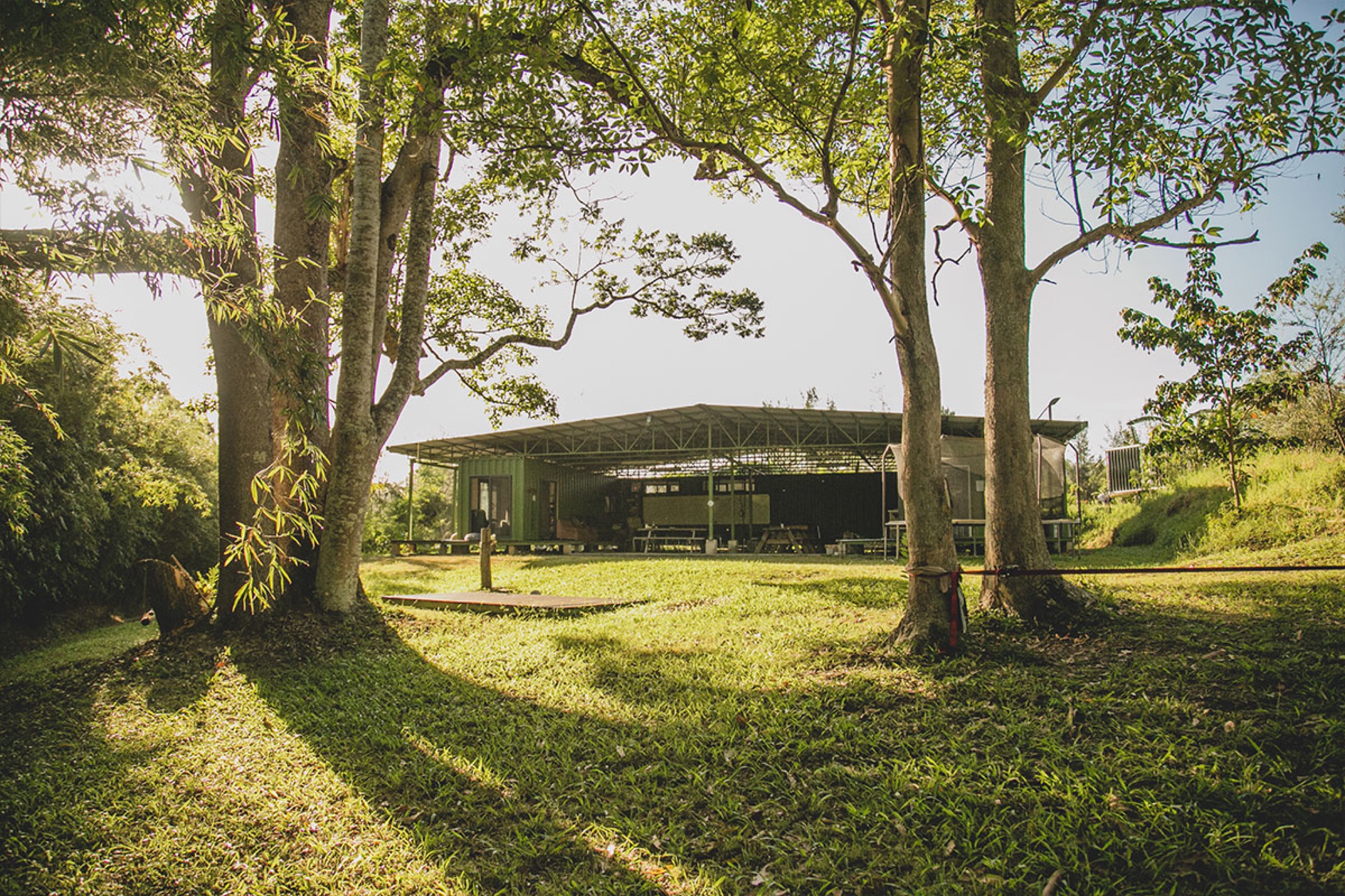
This PDC will be taught at Zaytuna Farm, which is located 1 kilometre from the village of The Channon, 20km outside of Lismore in New South Wales, Australia.
-

Nearest airport
Regional: Lismore, Coolangatta, Ballina
International: Brisbane
-

Train station
Casino (with bus service on to Lismore)
-

Bus stop
The Channon
NB: A limited service that runs Mon-Fri
 View on Google Maps
The location
Accommodation
Options
This course curriculum is taught in accordance to how
Bill Mollison the founder of permaculture had intended
-
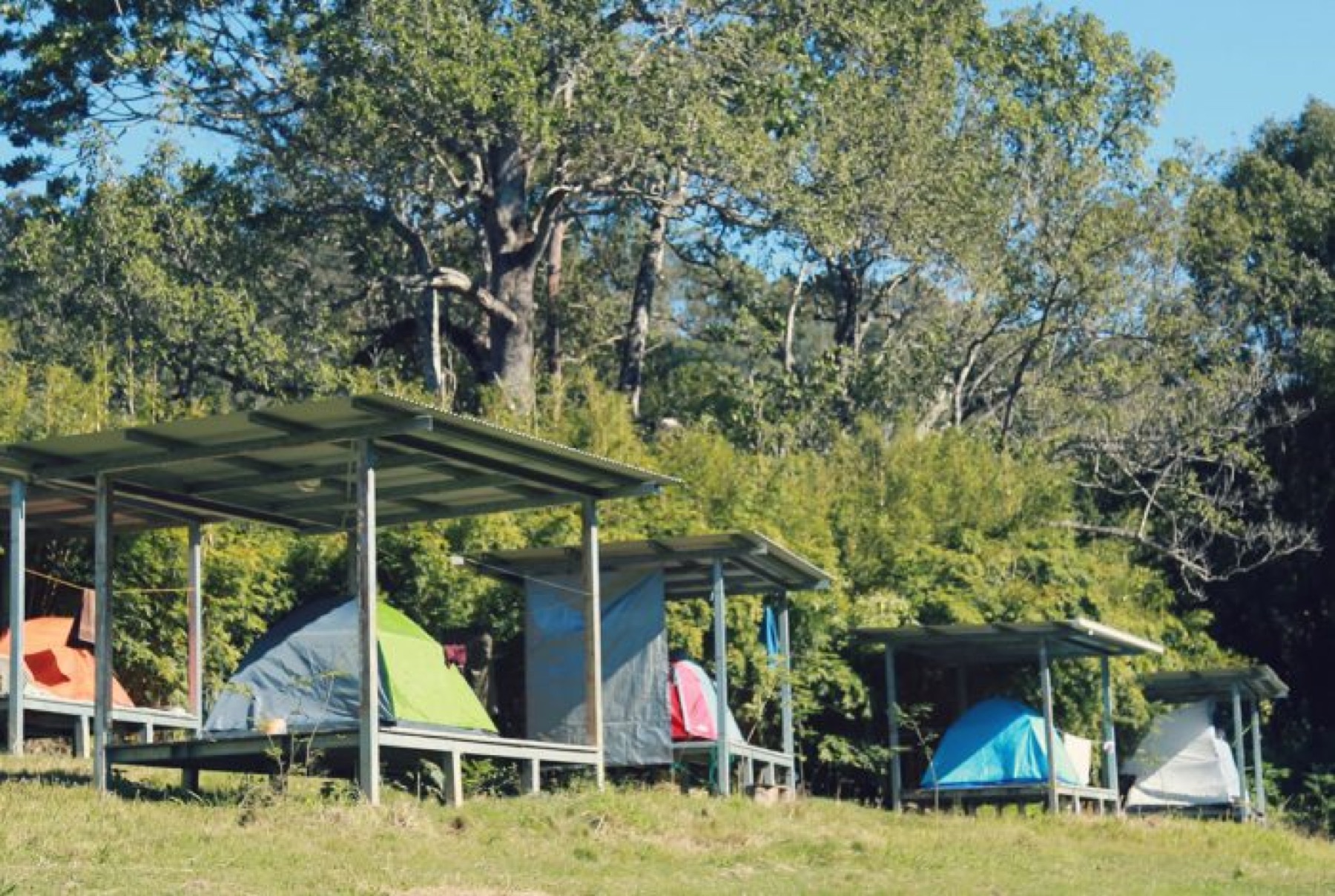
Onsite Camping Booked Separately
-
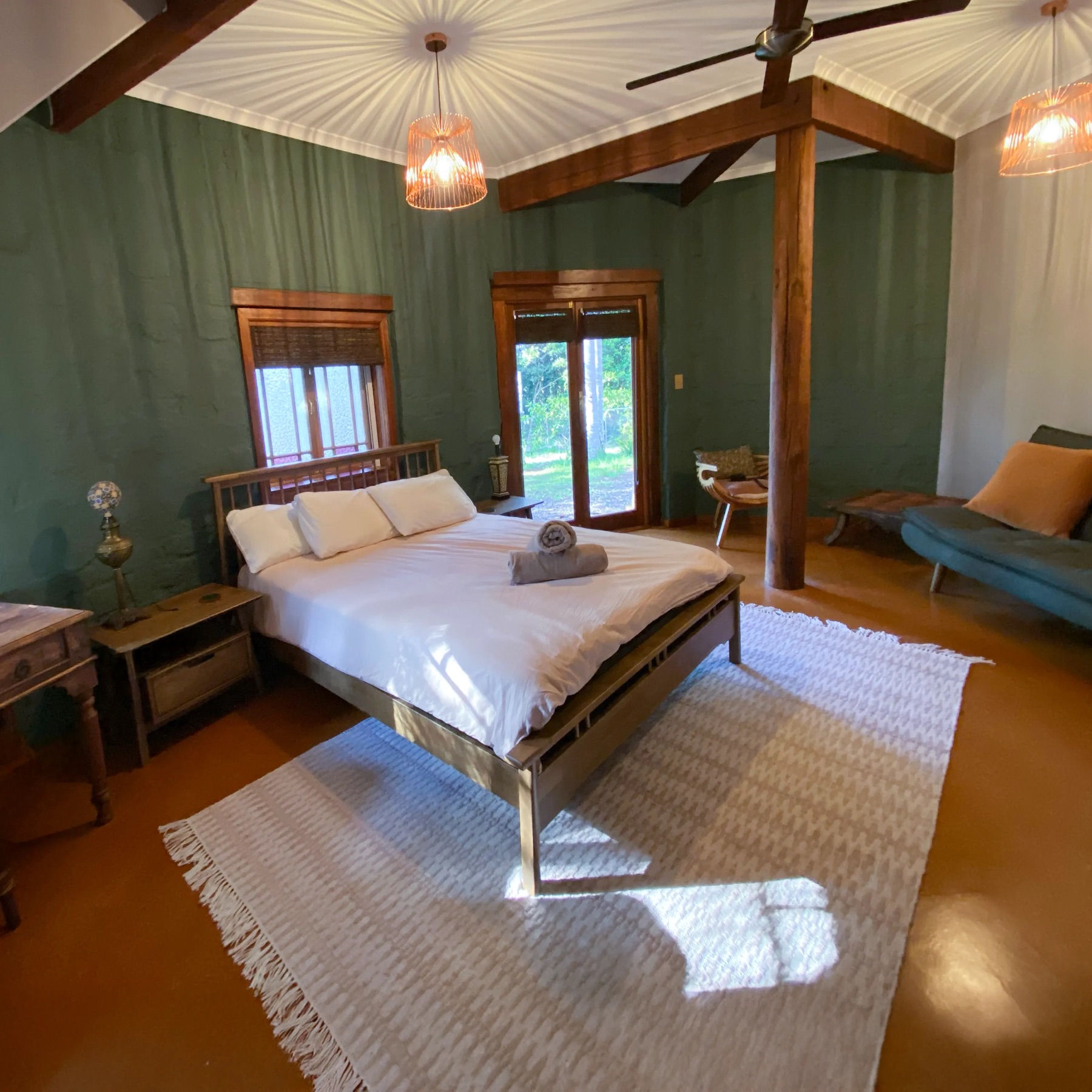
Room at Wildura Farm Stay ( 10km away)
-
Alternative on onsite accommodation private rooms
FAQ
Lectures are broken up with activities, farm tours, guest speakers and hands-on sessions, so you're never just sitting and listening.
- 6am to 8am
- Optional gardening, food forest and animal work
- 9am to 12.45pm
- Recap, then the morning topic
- 1.15pm to 5pm
- Afternoon topic, ending with time to decompress
- 6pm to 7pm
- Guest lectures, design examples and design exercise check-ins
The course is mainly theory, because you need the knowledge before you can act. To build your hands-on skills, Sam runs practical courses after every PDC, discounted for returning students.
This PDC is taught at Zaytuna Farm, 1 kilometre from the village of The Channon and 20km outside of Lismore in New South Wales, Australia.
Regional airports: Lismore, Coolangatta and Ballina. International airport: Brisbane. The nearest train station is Casino, with a bus service on to Lismore. The bus stop is The Channon, on a limited service that runs Mon-Fri.
The course follows the curriculum set out by Bill Mollison, the founder of permaculture, in Permaculture: A Designers' Manual, the foundation text of the field. The curriculum has been taught for over 40 years, and here it's delivered by a designer who has applied it on six continents.
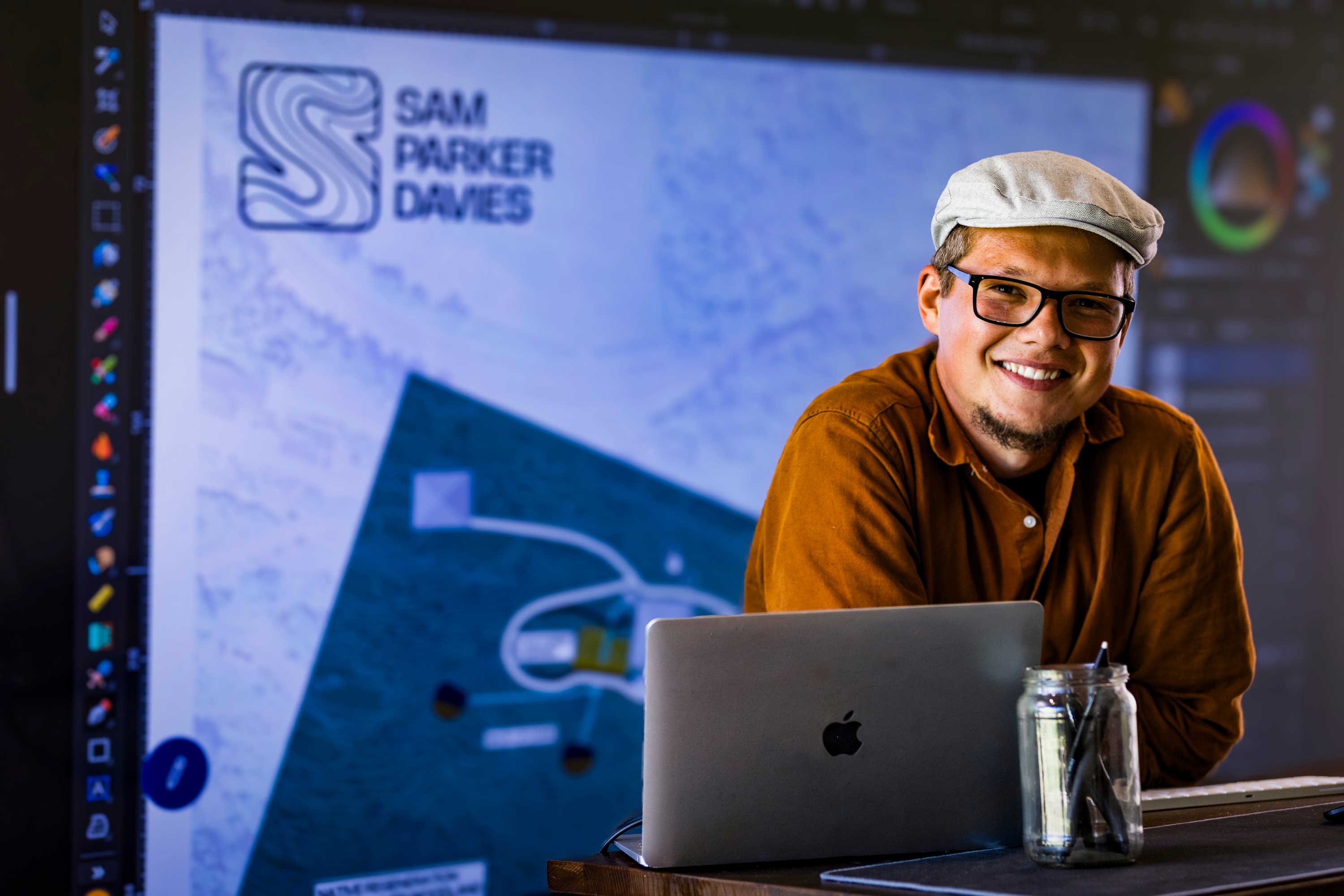
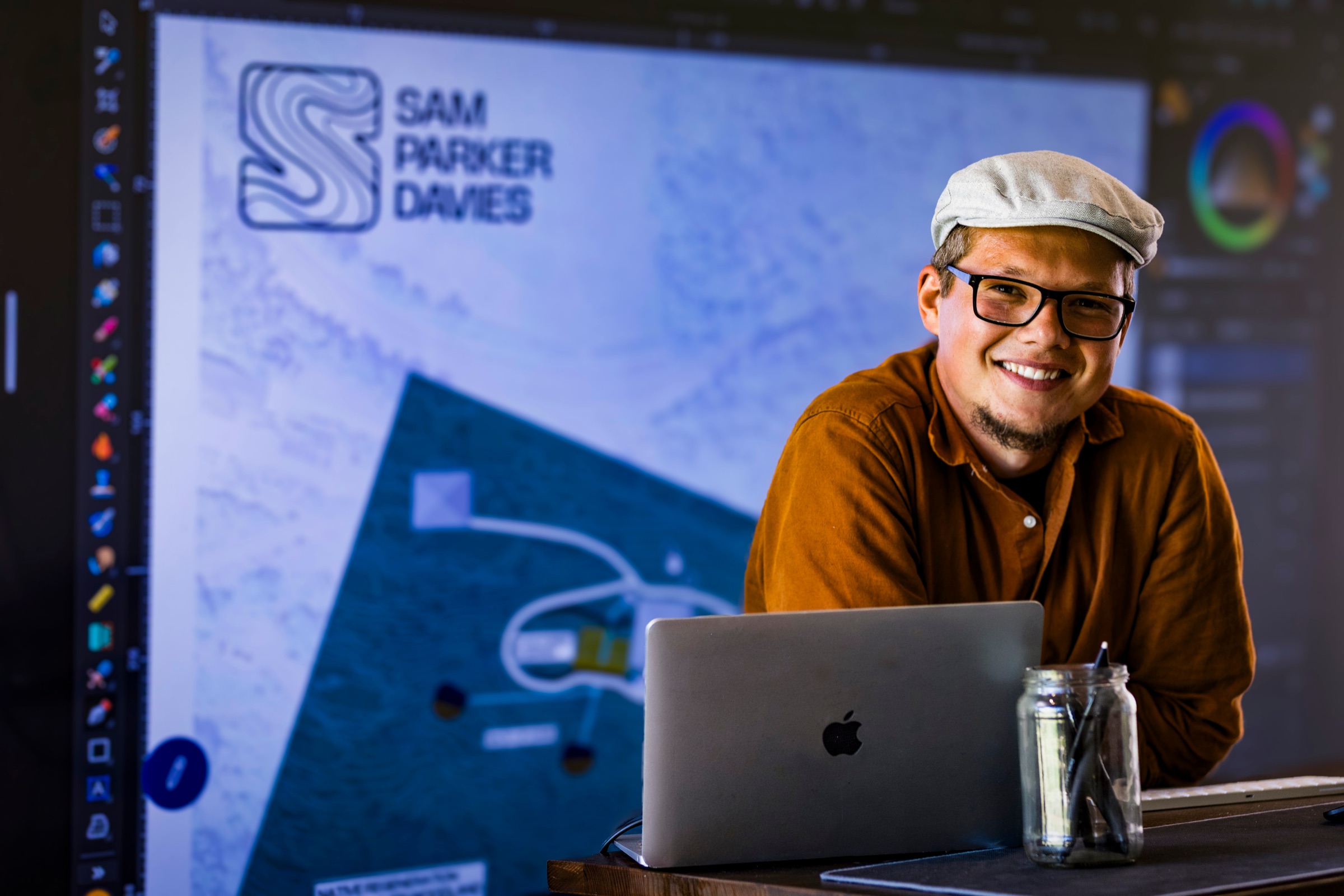
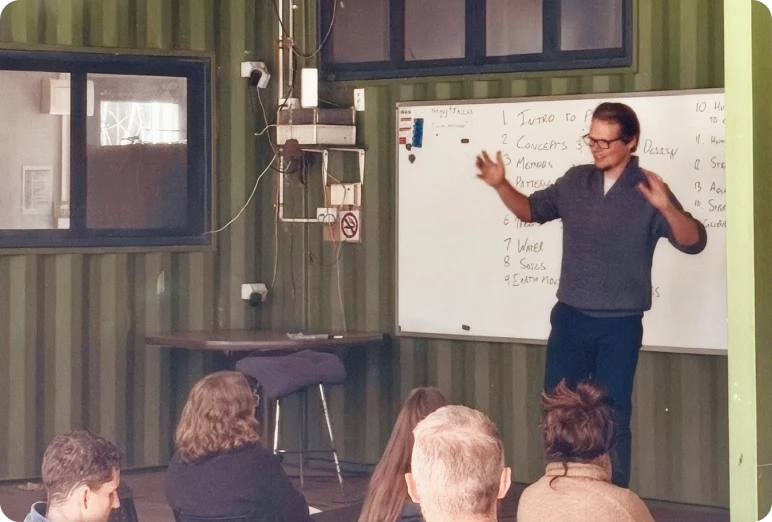
Sam Parker-Davies is a regenerative designer, educator and project manager with more than 10 years' experience. He has completed over 100 projects across six continents, covering more than 50,000 hectares of land. He teaches regularly at Zaytuna Farm.
The two weeks are separated by a two-day break. During it there's an optional regional tour of historic permaculture sites and current projects ($500).
You can camp onsite (booked separately), stay in a room at Wildura Farm Stay, 10km away, or choose from the alternative private rooms onsite.
You'll leave with a finished design, your certificate and a community to keep growing with.